 Assistants
Task-fit assistant
Completion, evidence, privacy.
5 criteriaIndependent. Task-led. Continuously evaluated.
Independent evaluation methods, capability maps and practical workflows for choosing AI with confidence.
AssistantsCompletion, evidence, privacy.
5 criteria Research
Sources remain the evidence.
5 checks Creative
Rights, review, provenance.
5 gates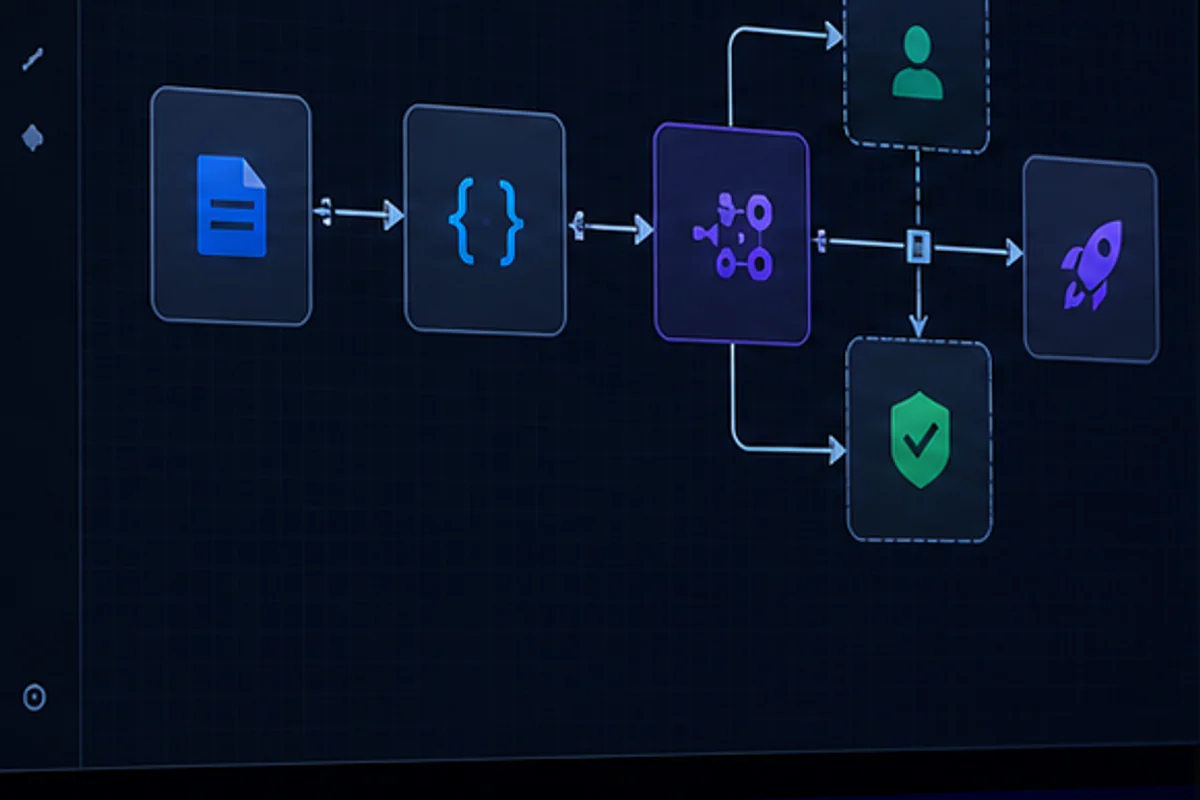 Automation
Context before consequence.
Stop-safe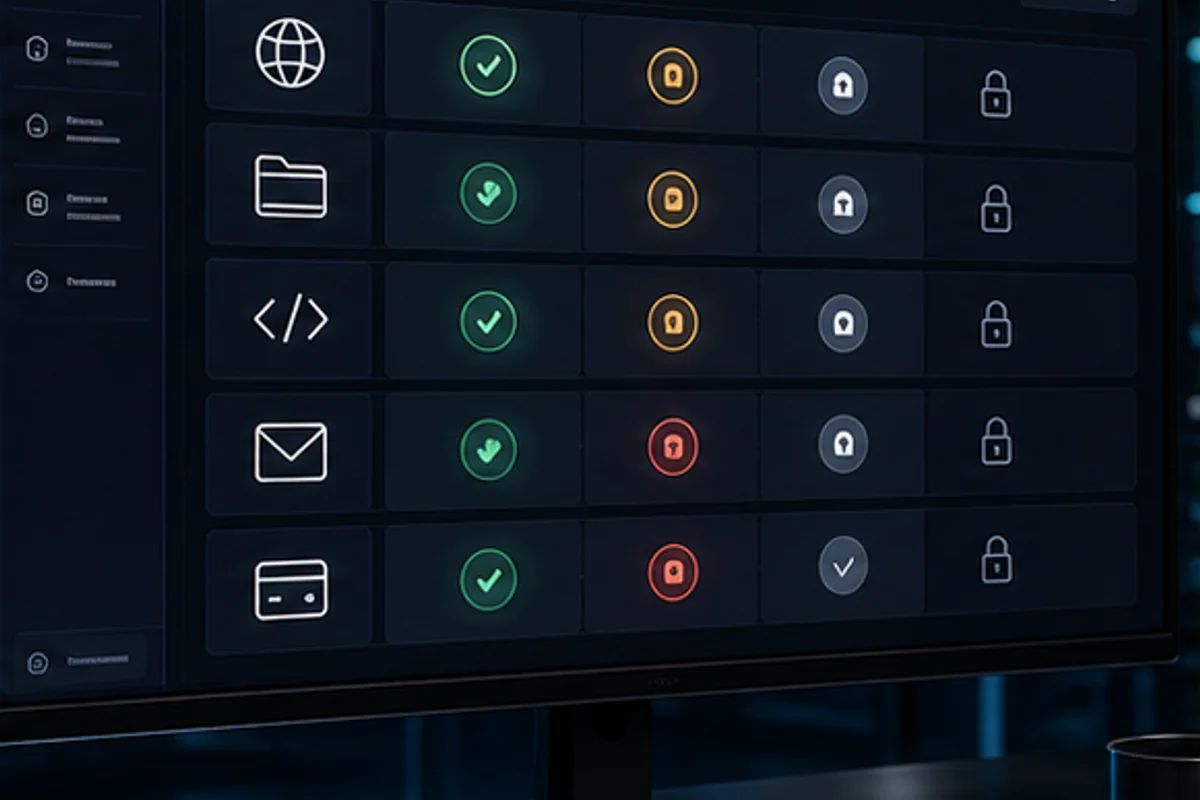 Safety
Least privilege and limits.
Auditable| Evidence layer | Assistant | Research | Creative | Workflow | Agent |
|---|---|---|---|---|---|
| Task reference | Required | Required | Brief | Required | Required |
| Repeat runs | Useful | Useful | Required | Required | Required |
| Source check | When factual | Always | Rights | Grounding | All tools |
| Human gate | By consequence | Claims | Publish | Side effects | Consequential |
| Recovery | Manual route | Source record | Withdraw | Rollback | Kill switch |
Methods describe evidence requirements; they are not vendor scores.
No payment for rankings or coverage.
Criteria are public and auditable.
Consequential output remains reviewed.
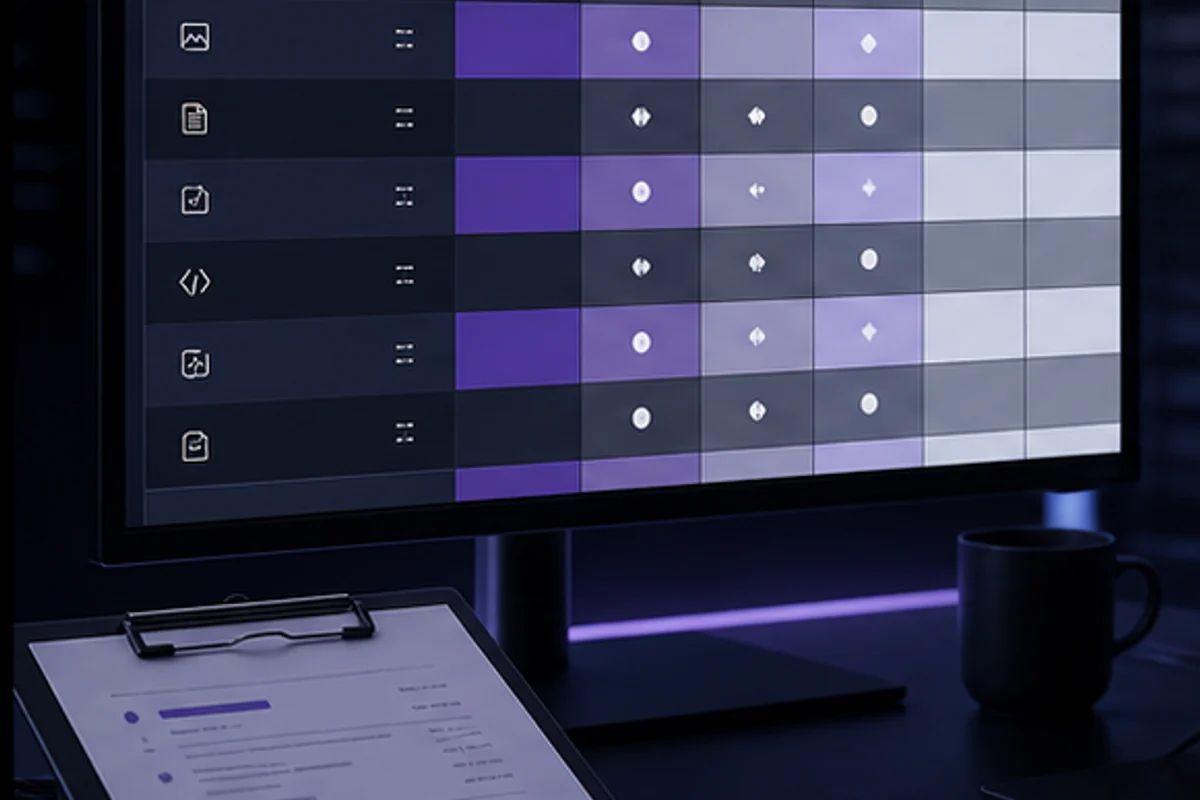 How to build an evaluation set
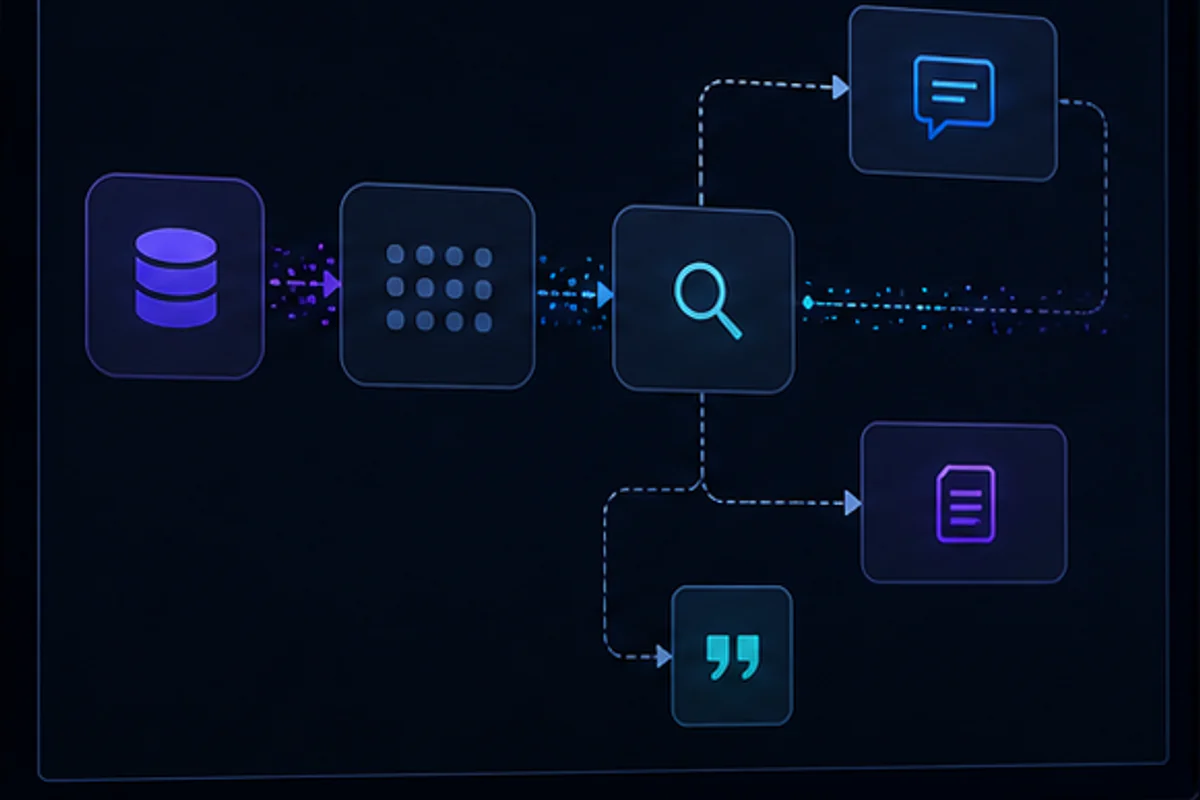 Grounded answers with citations
 Quality, latency and cost